
Are you ready to embark on the journey of discovering the intricacies of auto insurance in Massachusetts? With its charming landscapes and bustling cities, Massachusetts is not just a delightful place to drive but also a state with its own unique auto insurance requirements. Understanding these nuances can not only help ensure you’re adequately covered but also potentially save you a significant amount on your premiums.
In this guide, we’ll delve into the factors that shape auto insurance costs, unravel the mandatory coverage requirements, and shine a light on the various types of policies available. By the end of this exploration, you’ll be equipped with the knowledge to navigate the world of auto insurance with confidence and creativity.
Overview of Auto Insurance in Massachusetts
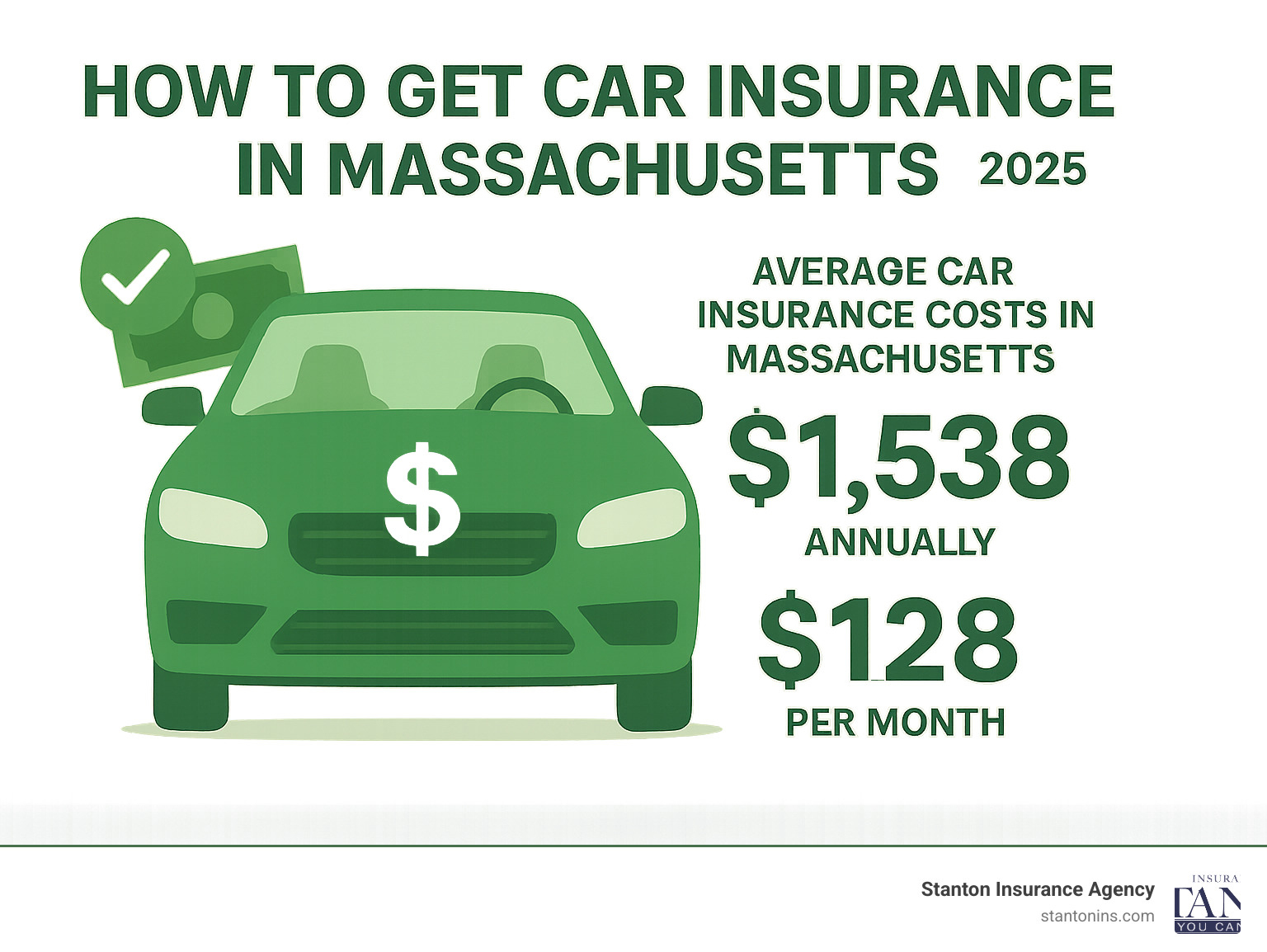
Navigating auto insurance in Massachusetts can feel like traversing a maze, but understanding the intricacies can be enlightening. Let’s uncover the elements that shape your insurance premiums and the essential coverage requirements every driver must know.
Auto insurance costs in Massachusetts are influenced by various dynamic factors, each playing a pivotal role in determining what you pay. Additionally, the state mandates certain types of insurance coverage, ensuring that drivers are adequately protected. Beyond the obligatory requirements, a plethora of policy options await those looking to customize their coverage.
Key Factors Influencing Auto Insurance Costs
In Massachusetts, the cost of auto insurance is not arbitrary; it’s a calculated sum based on several critical factors. These include your driving record, which can either be a boon or a bane. A spotless record might earn you discounts, while infractions could inflate your rates. Your vehicle make and model also play a significant role, as high-end cars often attract higher premiums due to costly repairs. Additionally, the location where you reside affects rates, with urban areas typically facing higher costs due to increased risk of accidents and theft.
Mandatory Insurance Coverage Requirements
Massachusetts law mandates that all drivers carry a minimum level of insurance. This includes:
- Bodily Injury to Others: Coverage of $20,000 per person and $40,000 per accident.
- Personal Injury Protection (PIP): Covers up to $8,000 per person, regardless of fault.
- Bodily Injury Caused by an Uninsured Auto: Provides $20,000 per person and $40,000 per accident.
- Damage to Someone Else’s Property: Minimum coverage of $5,000.
These minimum requirements ensure that drivers are safeguarded against significant financial burdens resulting from accidents.
Types of Auto Insurance Policies Available
While meeting the mandatory requirements is crucial, many drivers opt for additional coverage to enhance their protection. The types of policies available include:
| Policy Type | Description |
|---|---|
| Collision Coverage | Covers damages to your car resulting from a collision, irrespective of fault. |
| Comprehensive Coverage | Protects against non-collision related damages, such as theft or natural disasters. |
| Underinsured Motorist Coverage | Protects you if you’re involved in an accident with a driver whose insurance is insufficient to cover the damages. |
Opting for these additional coverages can offer peace of mind and financial security, ensuring you’re well-covered against unforeseen events.
Factors Affecting Auto Insurance Rates
Auto insurance premiums are not set in stone; they fluctuate based on a myriad of factors. Understanding these elements can empower you to make informed decisions and possibly save on your insurance costs.
Insurance companies consider several variables to determine your rates, ranging from personal demographics to specific vehicle characteristics. Each factor plays a crucial role in either increasing or decreasing your premiums, ultimately impacting your overall insurance expenditure.
The Influence of Vehicle Type on Insurance Costs
Not all vehicles are created equal—at least not in the eyes of insurers. Certain characteristics associated with your car can significantly sway your insurance rates. Here are some key points to consider:
- Sports cars often attract higher premiums due to their increased risk of accidents and higher theft rates.
- SUVs and larger vehicles might cost more to insure because of their potential for causing more damage in collisions.
- Luxury cars typically have higher insurance rates due to their expensive repair costs and appeal to thieves.
- Hybrid and electric vehicles might offer insurance discounts as they are seen as environmentally friendly and often feature advanced safety technologies.
How Personal Driving History Shapes Your Insurance Rates
Your driving record is like a report card for insurers, detailing how safe or risky you are on the road. A clean driving history can lead to lower premiums, while a tarnished one can increase costs. Here’s how:
| Driving Record | Impact on Premiums |
|---|---|
| No tickets or accidents | Lower premiums due to perceived lower risk |
| Minor traffic violations | Moderate increase in premiums |
| Multiple accidents | Significantly higher premiums, reflecting higher risk |
“Your past driving behaviors can reveal a lot about your future risk.”
This aspect of insurance calculation emphasizes the importance of maintaining a safe driving record. Defensive driving courses and cautious driving habits can pay off in the long run, both in safety and in your pocketbook.
Average Auto Insurance Costs
Diving into the realm of auto insurance costs in Massachusetts reveals a landscape as diverse as the state itself. Understanding the average costs can help you navigate your options more effectively.
Massachusetts, with its unique blend of bustling cities and serene countrysides, presents a range of insurance costs influenced by factors like location, coverage type, and policyholder demographics. Let’s explore how these costs stack up across the state.
City-by-City Average Insurance Rates
Insurance costs can vary significantly between cities due to factors such as crime rates, traffic congestion, and local legislation. Below is a snapshot of average insurance rates in some major Massachusetts cities:
| City | Average Cost | Policy Type | Coverage |
|---|---|---|---|
| Boston | $1,500 | Full Coverage | Comprehensive |
| Worcester | $1,200 | Full Coverage | Comprehensive |
| Springfield | $1,250 | Liability Only | Standard |
| Lowell | $1,100 | Full Coverage | Comprehensive |
Current Trends in Auto Insurance Pricing
The past few years have seen a noticeable shift in insurance pricing. As the digital age advances, more insurers in Massachusetts have started integrating technology into their pricing models. This includes using telematics to track driving habits, which can lead to personalized discounts.
“The landscape of auto insurance is evolving with technology, offering both challenges and opportunities for policyholders.”
The average cost for auto insurance has seen a gradual increase due to rising repair costs and more frequent severe weather events, which impact claims. However, competition among insurers has also brought about innovative ways to help reduce individual costs, making it an exciting time for savvy consumers to shop around.
Discounts and Savings Opportunities
When it comes to auto insurance in Massachusetts, many drivers are unaware of the array of discounts available that can significantly reduce their premium costs. Unlocking these savings opportunities is not just about knowing what’s available, but understanding how to qualify for them and strategically applying them to your policy.
Insurance companies offer a variety of discounts to attract and retain customers, making it essential for drivers to explore these options. By understanding the requirements and strategically aligning your policy to meet these criteria, you can make substantial savings without compromising on coverage.
Common Insurance Discounts and Eligibility
Auto insurance providers in Massachusetts offer numerous discounts that can be applied to your policy, often based on your driving history, vehicle features, and even your lifestyle choices. Here are some popular discounts and their eligibility criteria:
- Good Driver Discount: Available for drivers with a clean driving record for a specified number of years.
- Multi-Policy Discount: Offered to policyholders who bundle their auto insurance with other types of insurance, such as home or renters insurance.
- Multi-Vehicle Discount: Applies when you insure more than one vehicle under the same policy.
- Low Mileage Discount: Ideal for drivers who do not drive their vehicles frequently, and therefore, present a lower risk.
- Student Discount: Available for young drivers who maintain good grades in school, showing responsibility that insurers reward.
Strategies to Lower Auto Insurance Premiums
Reducing your auto insurance premiums doesn’t stop at simply applying for discounts. Employing strategic approaches can further enhance your savings:
- Shop Around: Regularly comparing quotes from different insurers ensures that you are getting the best deal available.
- Improve Your Credit Score: A better credit score often leads to lower insurance premiums. Work on your credit health to unlock better rates.
- Increase Your Deductible: Choosing a higher deductible can lower your premium significantly. Ensure you can afford the deductible in the event of a claim.
- Take a Defensive Driving Course: Completing a state-approved defensive driving course can qualify you for discounts and demonstrate safer driving habits.
- Regularly Review Your Coverage: As your circumstances change, so should your insurance coverage. Avoid paying for unnecessary coverage by keeping your policy up to date.
“Maximizing your savings on auto insurance is all about being informed, proactive, and strategic in your approach.”
Comparing Auto Insurance Providers
Choosing the right auto insurance provider in Massachusetts can feel like navigating a labyrinth. To make the journey smoother, let’s dive into a comparison of some of the leading players in the market.
Understanding the differences between providers in terms of rates, customer satisfaction, and coverage options can help you make an informed choice that suits your needs and budget.
Provider Comparison Table
Below is a comparison of notable auto insurance providers in Massachusetts, covering their average rates, customer satisfaction scores, and the variety of coverage options they offer:
| Provider | Average Rate | Customer Satisfaction | Coverage Options |
|---|---|---|---|
| Provider A | $1,200/year | 4.5/5 | Basic, Comprehensive, Collision |
| Provider B | $1,150/year | 4.2/5 | Basic, Comprehensive |
| Provider C | $1,300/year | 4.8/5 | Basic, Comprehensive, Collision, Roadside Assistance |
| Provider D | $1,100/year | 4.1/5 | Basic, Collision |
Customer Service and Claims Processing
Customer service and claims processing efficiency are critical aspects of any insurance provider. Provider C, for example, boasts an outstanding 4.8/5 customer satisfaction rating, largely due to its prompt and efficient claims processing system. Provider A also shines with a 4.5/5 rating, where customers frequently praise their attentive service representatives.
On the other hand, while Provider D offers competitive rates, its slightly lower satisfaction score indicates that there might be room for improvement in its service delivery.
The Importance of Comparing Quotes
Before you settle on an insurance provider, it is vital to compare quotes from multiple companies. By doing so, you not only ensure that you’re getting the best rate but also that the services and coverage align with your personal needs.
Remember, the cheapest option is not always the best. Quality service and comprehensive coverage are essential for peace of mind on the road.
Taking the time to evaluate different providers can pay off significantly in terms of savings and satisfaction.
Legal and Regulatory Considerations
Navigating the labyrinth of auto insurance regulations in Massachusetts can feel daunting, but understanding the state’s legal framework is crucial. Whether you’re new to the Bay State or a lifelong resident, knowing the requirements can save you from potential legal headaches.
Massachusetts enforces strict auto insurance laws to ensure all drivers are adequately protected on the road. These regulations not only uphold safety but also offer a clear-cut guide for responsible vehicle ownership.
State-Regulated Auto Insurance Minimums
Massachusetts mandates specific minimum coverage for all drivers, ensuring a baseline level of protection. The minimum required coverage includes:
- Bodily Injury to Others: $20,000 per person and $40,000 per accident.
- Personal Injury Protection (PIP): $8,000 per person.
- Bodily Injury Caused by an Uninsured Auto: $20,000 per person and $40,000 per accident.
- Damage to Someone Else’s Property: $5,000 per accident.
These minimums are non-negotiable, serving as the legal threshold for auto insurance in Massachusetts, ensuring that drivers have financial support in case of an accident.
Legal Consequences of Driving Without Insurance
Venturing onto Massachusetts roads without insurance isn’t just risky—it’s illegal. If caught, the repercussions could be severe, including fines, license suspension, and potential imprisonment. Massachusetts takes a firm stance on uninsured drivers to protect all road users.
“Driving without insurance isn’t just a gamble; it’s a legal gamble that could cost you more than just your freedom.”
In case of an accident, uninsured drivers face not only the immediate financial burden but also potential lawsuits, further complicating their legal and financial standing.
Accident Reporting and Claim Filing Process
When an accident occurs, knowing the proper steps to report and file a claim is crucial in Massachusetts. Here’s a step-by-step guide to navigate through this process:
- Ensure Safety: Move to a safe location and attend to any injuries.
- Report the Accident: Contact local law enforcement to report the incident.
- Gather Information: Exchange insurance details with the other party and document the scene with photos.
- Notify Your Insurance Company: Inform your insurer as soon as possible to initiate the claim process.
- Complete Required Forms: Fill out any necessary paperwork as provided by your insurer.
- Cooperate with Investigations: Provide any additional information or documentation requested by your insurer.
Following these steps ensures that you comply with state laws and expedites your claim process, allowing you to focus on recovery and getting back on the road.
Last Word
As we wrap up our exploration of auto insurance in Massachusetts, it’s clear that understanding the factors influencing your premiums is key to making informed decisions. Whether it’s taking advantage of discounts, comparing providers, or simply ensuring you have the right coverage, every step you take can lead to substantial savings. Remember, knowledge is power, and in the world of auto insurance, it can be the driving force behind both your safety and your savings.

